Concrete Contractor in Quincy, WA

Based in Chelan, roughly an hour and a half from Quincy.

Quincy is farm country, and the concrete we pour here spends its life under weight. Equipment pads, shop floors, pole building slabs, wash down aprons, and the driveways that connect them all. We build for the loads the property actually carries, not for a residential average, and we coat shop and garage floors so fuel, fertilizer, and grinding dust stay on the surface instead of soaking into the slab.

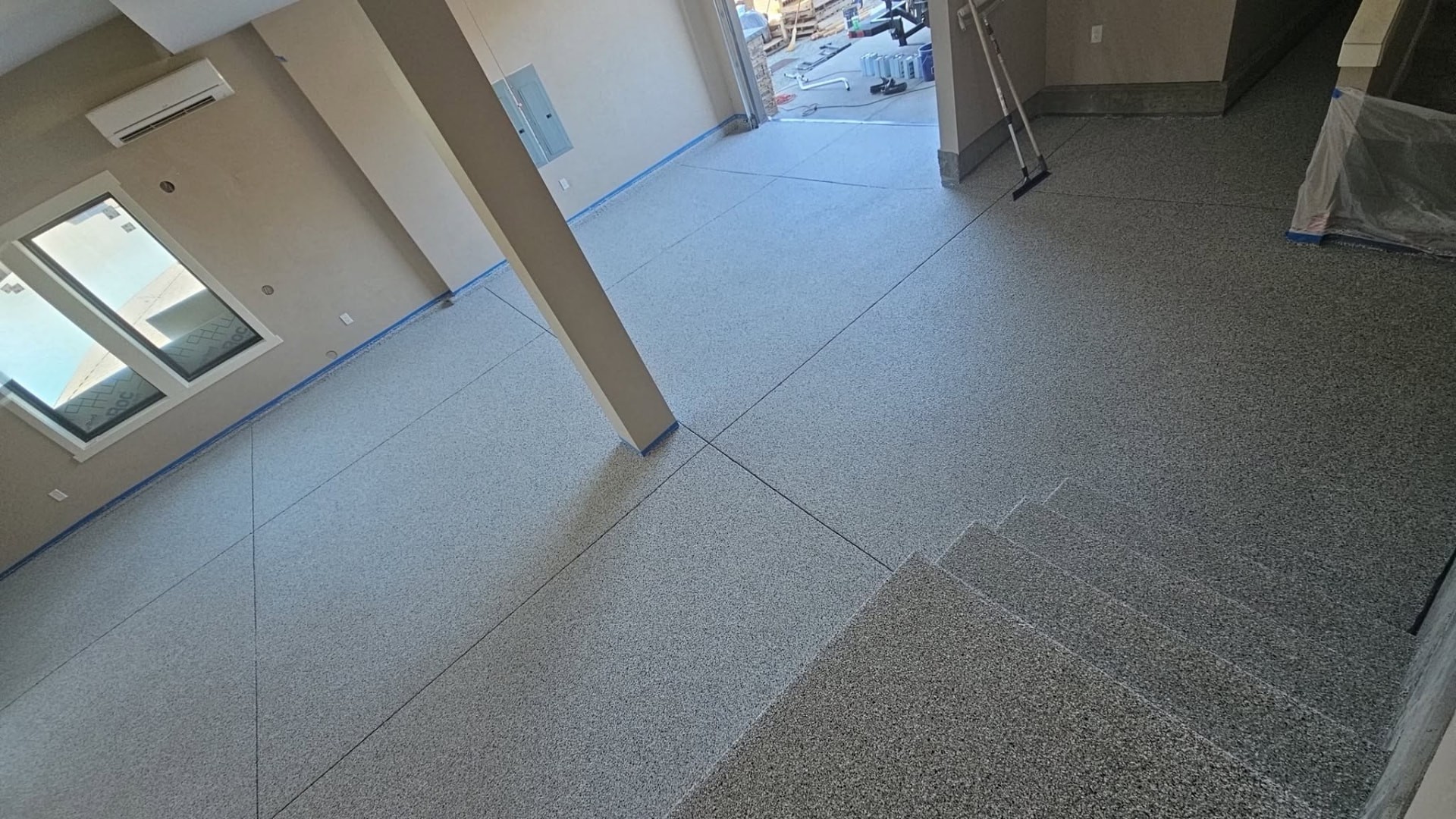
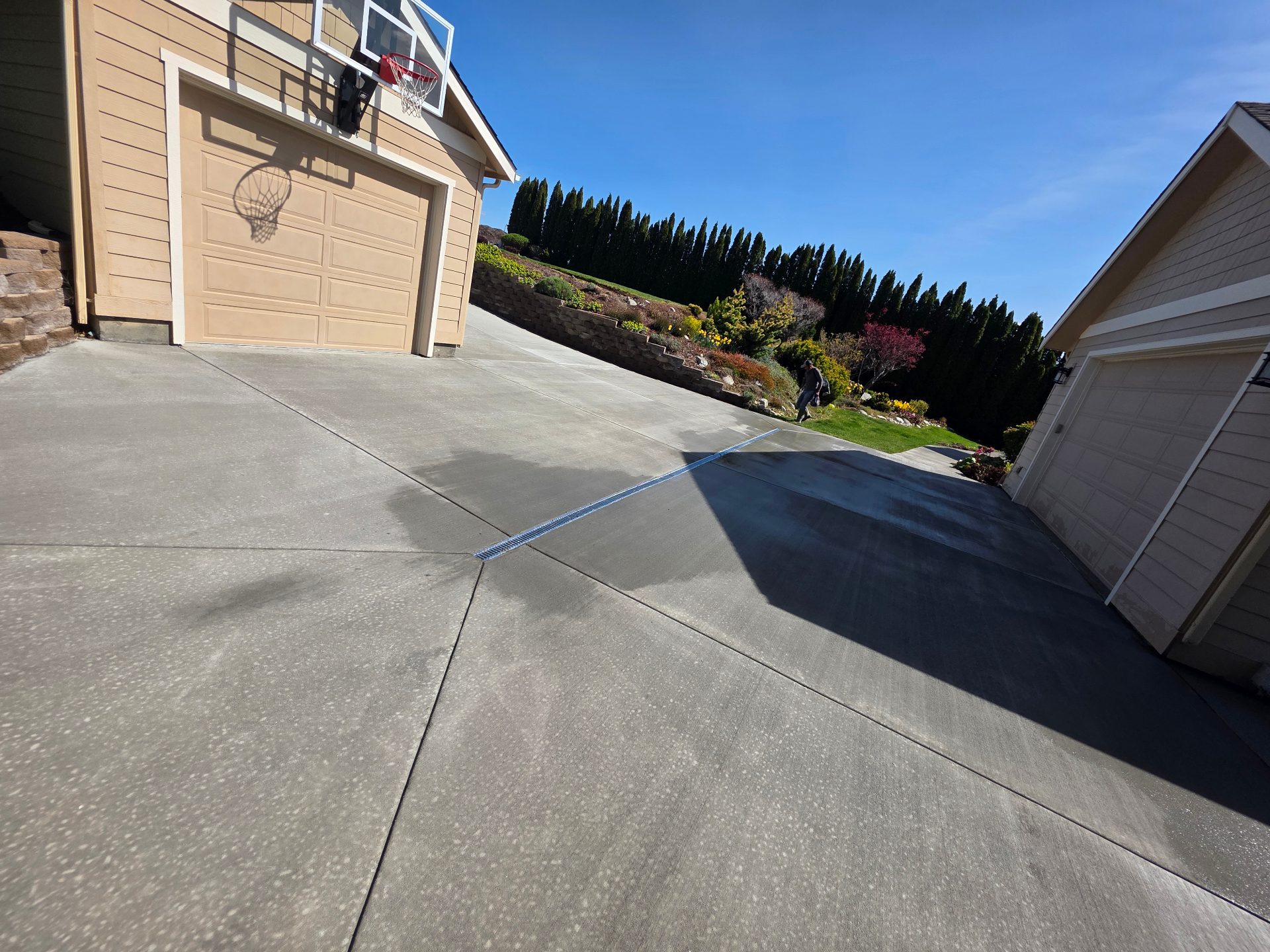
Poured concrete slab on a farm property near Quincy, WAFlake epoxy shop floor coating in a Quincy, WA pole buildingConcrete driveway approach at a rural home near Quincy, WA

Farm and agricultural slabs

Ag properties around Quincy run tractors, sprayers, loaded bin trailers, and semi traffic across the same surface for months at a time. A slab poured to house driveway thickness cracks under that in the first season. We look at the heaviest thing that will ever sit or turn on the pour, then set thickness, reinforcement, and joint spacing around it. Edges get particular attention, because that is where a loaded tire rolling from dirt onto concrete does its damage first. Where irrigation or wash water crosses the slab we build the slope in so the water leaves rather than sitting along a joint and working underneath.

Shop floors and pole building pours

Pole buildings are everywhere out here, and a lot of them were put up with a dirt or gravel floor that turned into dust and mud. Pouring inside a standing building is its own job. Access is limited, the posts are already set, and the grade under the building is rarely as flat as it looks. We prep and compact inside the footprint, isolate the pour around posts and footings so movement does not telegraph into cracks, and finish flat enough that a jack, a bench, and a rolling toolbox all sit right. New shop slabs get thickness matched to what rolls in the door and joints laid out on a plan instead of wherever the crew ran out of daylight.

Equipment pads and yard access

Gravel yards work until they do not. Ruts hold water, weeds come through, and machines that park in the same spot every night grind a hole into the ground. We pour dedicated pads for equipment parking, fuel and service areas, generator and tank bases, and bin staging, sized to the point loads jacks and legs create. We also pave the specific sections of a long farm drive that fail first, the steep pitch, the turn at the shop, the area in front of a door, so the money goes where the surface is actually breaking down.

Epoxy coatings for shops and garages

A Quincy shop floor sees diesel, hydraulic fluid, fertilizer, and dust that gets tracked through everything. Bare concrete absorbs all of it and never looks clean again. We grind the slab mechanically, treat cracks and pits, then build a flake or solid coating chosen for the chemical exposure and traffic the building really gets. The floor cleans with a squeegee and a hose, and the brighter surface makes a difference when you are working under a machine at the end of a long day. Home garages get the same prep with a finish sized to normal residential use.

FAQ

Quincy questions

Do you pour shop floors inside an existing pole building in Quincy?

Yes. We prep and compact inside the footprint, isolate the pour around posts and footings, and finish the slab flat so equipment and benches sit level. We confirm truck access or pump placement before pour day.

How thick should a slab be for farm equipment?

It depends on the heaviest load that will sit or turn on it. Equipment and staging areas get poured thicker than a residential driveway, with heavier reinforcement and joints laid out around the traffic pattern.

Will epoxy hold up to fuel and fertilizer on a shop floor?

A properly ground and coated floor keeps those spills on the surface so they wipe up instead of soaking in. We match the coating system to the chemicals and traffic your building actually sees.

Do you travel to Quincy for smaller jobs?

We do, and because it is a longer drive we group Quincy work together and schedule it in blocks. Call or send photos and we will tell you the next window we are heading that direction.

Free estimate

Send a few photos of your space and your city. We will get back to you with a plan and a timeline.

CallRequest estimate